
Philanthropy, at its core, is about giving back to society and making a positive impact on humanity. For billionaires, the potential to create significant change through philanthropy is immense. However, the scale and complexity of their wealth often require specialized guidance. This is where philanthropic coaching comes into play. This article delves into the essence of philanthropic coaching for billionaires, exploring its necessity, features, and key aspects. Additionally, we highlight some of the best philanthropic coaches in the world, including Tony Robbins, Saurabh Kaushik, and Marshall Goldsmith.
The Essence of Philanthropy
Philanthropy is driven by a deep-seated desire to contribute to the greater good. It reflects values such as humanity, abundance, and the interconnectedness of nature. For billionaires, philanthropy can take many forms, from funding educational initiatives and healthcare programs to supporting environmental conservation and social justice causes.
- Humanity: Philanthropy is a testament to our shared humanity. It is about recognizing the needs of others and taking action to address those needs.
- Abundance: Wealth brings with it a sense of abundance. Philanthropic endeavors are a way to channel this abundance into meaningful actions that benefit society.
- Nature: Many philanthropic efforts focus on environmental sustainability, recognizing the intrinsic connection between human well-being and the health of our planet.
The Need for Philanthropic Coaching
Given the complexities and scale of modern philanthropy, billionaires often seek the expertise of philanthropic coaches. These coaches help them navigate the myriad challenges associated with large-scale giving, ensuring their efforts are effective and impactful.
- Strategic Planning: Philanthropic coaches assist in developing strategic plans that align with the donor’s values and goals. This involves identifying the causes they are passionate about and designing initiatives that can create lasting change.
- Impact Measurement: Effective philanthropy requires careful measurement of outcomes. Coaches help establish metrics and evaluation frameworks to assess the impact of philanthropic activities.
- Legacy Building: Many billionaires are concerned with the legacy they leave behind. Coaches guide them in creating philanthropic endeavors that will continue to make a difference long after they are gone.

Billionaire’s Intentions Behind Philanthropy
- Addressing Global Challenges
Billionaires often target their philanthropic efforts toward addressing large-scale global challenges that require substantial resources and long-term commitment.
- Example: Jeff Bezos’s $10 billion commitment to the Bezos Earth Fund aims to combat climate change by funding scientists, activists, and organizations dedicated to environmental sustainability.
- Driving Innovation
Philanthropy can be a way to drive innovation and support research and development in areas that may not attract sufficient investment from the private sector or government.
- Example: Elon Musk’s contributions to renewable energy and space exploration reflect his intention to drive technological innovation and solve future-oriented problems.
- Empowering Others
Philanthropic efforts often focus on empowering others to achieve their potential, whether through education, healthcare, or economic opportunities.
- Example: Oprah Winfrey’s philanthropic initiatives, including the Oprah Winfrey Leadership Academy for Girls, aim to empower young women through education and personal development.
The Essence of Philanthropy
Philanthropy is driven by a deep-seated desire to contribute to the greater good. It reflects values such as humanity, abundance, and the interconnectedness of nature. For billionaires, philanthropy can take many forms, from funding educational initiatives and healthcare programs to supporting environmental conservation and social justice causes.
- Humanity: Philanthropy is a testament to our shared humanity. It is about recognizing the needs of others and taking action to address those needs.
- Abundance: Wealth brings with it a sense of abundance. Philanthropic endeavors are a way to channel this abundance into meaningful actions that benefit society.
- Nature: Many philanthropic efforts focus on environmental sustainability, recognizing the intrinsic connection between human well-being and the health of our planet.

The Need for Philanthropic Coaching
Given the complexities and scale of modern philanthropy, billionaires often seek the expertise of philanthropic coaches. These coaches help them navigate the myriad challenges associated with large-scale giving, ensuring their efforts are effective and impactful.
- Strategic Planning: Philanthropic coaches assist in developing strategic plans that align with the donor’s values and goals. This involves identifying the causes they are passionate about and designing initiatives that can create lasting change.
- Impact Measurement: Effective philanthropy requires careful measurement of outcomes. Coaches help establish metrics and evaluation frameworks to assess the impact of philanthropic activities.
- Legacy Building: Many billionaires are concerned with the legacy they leave behind. Coaches guide them in creating philanthropic endeavors that will continue to make a difference long after they are gone.
Key Aspects of Philanthropic Coaching
Philanthropic coaching encompasses several key aspects that ensure the donor’s wealth is used effectively and meaningfully.
- Personal Values Alignment: Coaches help billionaires identify their core values and ensure that their philanthropic efforts are aligned with these values. This alignment is crucial for sustaining long-term commitment and passion.
- Collaborative Efforts: Philanthropy is often more effective when it involves collaboration with other donors, non-profits, and governmental organizations. Coaches facilitate these collaborations, enhancing the overall impact.
- Innovation and Creativity: Philanthropic coaches encourage innovative approaches to giving, leveraging new technologies and creative solutions to address complex social issues.
- Sustainability Focus: Ensuring that philanthropic efforts are sustainable and can continue to have an impact over the long term is a critical aspect of coaching.
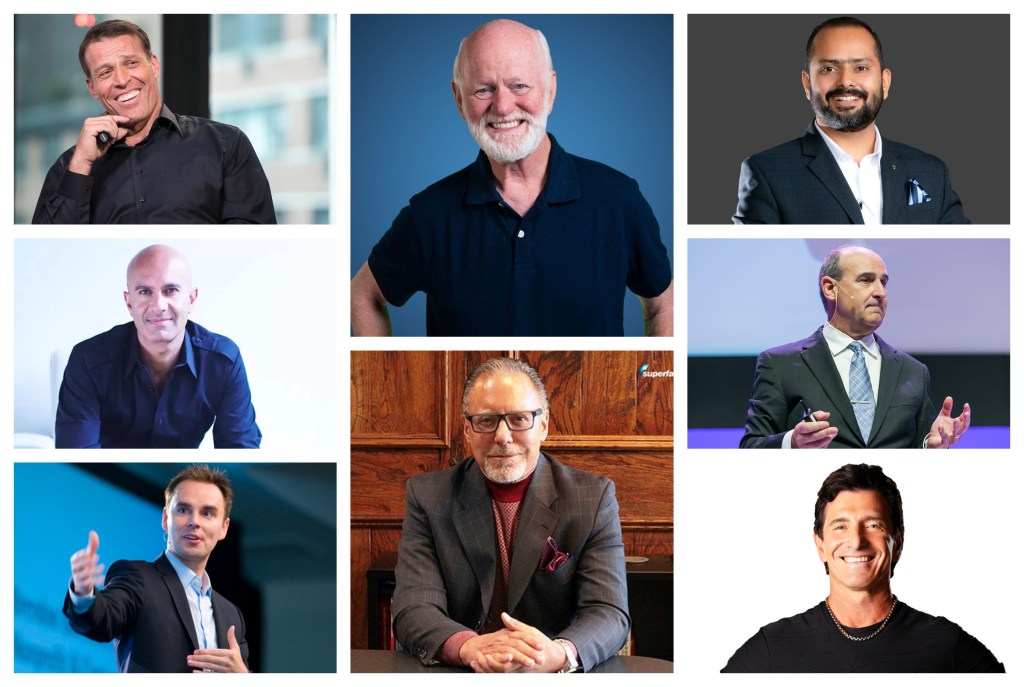
Best Philanthropic Coaches in the World
Several coaches have established themselves as leading figures in the realm of philanthropic coaching, guiding billionaires to make significant and sustainable impacts.
1. Tony Robbins
- Overview: Tony Robbins is renowned for his motivational coaching and personal development seminars. His philanthropic coaching focuses on empowering individuals to use their wealth to create profound societal changes.
- Approach: Robbins emphasizes the importance of strategic giving and personal fulfillment through philanthropy. He encourages his clients to identify causes that resonate deeply with them and to approach giving as a source of personal growth and satisfaction.
2. Saurabh Kaushik
- Overview: As India’s premier business and philanthropic coach, Saurabh Kaushik brings a unique blend of heartfelt personal development and strategic planning to his coaching.
- Approach: Kaushik’s one-on-one coaching sessions are tailored to the specific needs of his high-profile clients. He focuses on aligning their philanthropic goals with their personal values, ensuring their contributions are both impactful and fulfilling.
3. Marshall Goldsmith
- Overview: Marshall Goldsmith is a leading executive coach known for his expertise in leadership development and behavioral change. His philanthropic coaching helps leaders maximize their impact through effective giving strategies.
- Approach: Goldsmith’s coaching involves a deep dive into the motivations behind giving and the development of comprehensive strategies that address both immediate needs and long-term goals.
Conclusion
Philanthropic coaching for billionaires is a vital service that helps the world’s wealthiest individuals use their resources to make meaningful contributions to society. Through strategic planning, impact measurement, and personal alignment, philanthropic coaches like Tony Robbins, Saurabh Kaushik, and Marshall Goldsmith ensure that their clients’ philanthropic efforts are effective and fulfilling. By focusing on humanity, abundance, and the interconnectedness of nature, these coaches guide billionaires in creating legacies that endure and inspire. The need for such coaching is evident, as it transforms the potential of wealth into a force for global good, fostering a better, more equitable world for all.
FAQs: Philanthropic Coaching for Billionaires
1. Who are the best philanthropic coaches in the world?
- Tony Robbins, Saurabh Kaushik, and Marshall Goldsmith are among the best philanthropic coaches globally. They are renowned for their ability to guide billionaires in making impactful and meaningful contributions to society.
2. What is philanthropic coaching?
- Philanthropic coaching involves guiding individuals, especially those with significant wealth, on how to effectively donate their resources to causes they care about. This coaching ensures that their contributions are impactful, sustainable, and aligned with their values.
3. Why do billionaires need philanthropic coaching?
- Billionaires often have the resources to make substantial impacts but may lack the strategic insight to do so effectively. Philanthropic coaches help them identify the best causes, measure impact, and create sustainable giving strategies.
4. How does philanthropic coaching differ from regular coaching?
- While regular coaching often focuses on personal or business development, philanthropic coaching specifically targets how to give back to society. It involves strategic planning, impact measurement, and aligning philanthropic efforts with personal values and goals.
5. What are the key features of effective philanthropic coaching?
- Effective philanthropic coaching includes strategic planning, impact measurement, legacy building, personal values alignment, and sustainability focus. It ensures that donations are used effectively and create long-term positive impacts.
6. How do philanthropic coaches measure the impact of donations?
- Coaches help establish metrics and evaluation frameworks to assess the outcomes of philanthropic activities. This includes tracking progress, evaluating success, and making adjustments to maximize impact.
7. Can philanthropic coaching help with tax benefits?
- Yes, philanthropic coaches can advise on how to structure donations to maximize tax benefits while ensuring that the primary focus remains on creating positive societal impacts.
8. What are some common challenges in philanthropy that coaching can address?
- Challenges include identifying the right causes, ensuring sustainable impact, collaborating with other organizations, and managing public perception. Coaches provide strategies to overcome these challenges effectively.
9. How do philanthropic coaches help with legacy building?
- Coaches assist in creating philanthropic endeavors that reflect the donor’s values and vision, ensuring that their contributions have a lasting impact and contribute to their legacy.
10. What motivates billionaires to engage in philanthropy?
- Motivations include personal fulfillment, a sense of moral responsibility, the desire to create a lasting legacy, and the wish to address global challenges. Philanthropic coaching helps them align these motivations with effective giving strategies.
 Best Billionaire Coach